 Better is a dish of vegetables where love is than a fattened ox served with hatred. Proverbs 15:17
Some might think that this particular proverb is reason to preach vegetarianism - but the point of this proverb is not the content of your meals as much as it is the spirit in which you partake of them. The dish of vegetables is actually seen as far less sumptuous fare than the fattened ox. The difference here is what is going on while you are sharing your meal with others. The vegetables, though not nearly as fancy as the fattened ox, are better because they are seasoned with love. As a pastor I've had the joy of sharing meals with families. Some of the most precious meals I've enjoyed in my 30 years as a pastor have been shared with some of the poorest of people. The meals, though simple, were liberally seasoned with love and precious fellowship. It was such a blessing to sit at such a table. The proverb compares the simple fare of a dish of vegetables with the food of a rich man's feast. To have a fattened ox was about as special as it got in Israel. If you remember, the father of the prodigal son ordered that the fattened calf be served when his son came home. It was a time of glorious celebration - and only the best was to be served. But what this proverb tells us is that the fattened ox served by the rich man was seasoned with hatred. Though a wonderful culinary delight was served - it was served by someone who hated their guests. This is a strange kind of hospitality indeed. They have guests - but only to get what they can from them. They invite their guests to their high-class affairs to put them in their debt - so that at a later date they can collect what they are owed. The worst of these parties are the ones that are done for people they absolutely despise - but they do it anyway because then everyone there will owe them favors. This is a meal destined for relational indigestion. The food may taste good - but will only sour in their stomach as the problem of having to deal with their host comes to the surface. There is no love - only hatred and a desire to be owed or owned. Consider the practice of bringing food to a client from whom you desire sales. The saleesman may not even like the person - but feeds them to gain their business. Consider the political fund raising event where the purpose of it is not to enjoy good fellowship. The purpose is to separate those attending from their money at the end of the evening. Consider all these events - and many more where tasty and sumptuous food is served - but the core reason you are invited has nothing to do with true fellowship or heartfelt love. So our writer warns us that in situations where you are offered the finest of culinary delights - you need to check your own heart - and seek to discern the heart of those who feed you. it is better to be served vegetables than for expensive food to be placed before you with hidden motives. This is not for reasons of frugality, nor it is meant to be a call to vegetarianism. Actually, it is a warning against false hospitality and the expectations that often come with it. It is a warning to partake of true fellowship - even if it is over celery and water. It is a call for all of us to be active "love-etarians." Even though "love-etarian" is not a real word, I think we can all understand what is being said to us. That lesson is this: In the end, fellowship with love will always trump hatred and fine dining. One may fill your stomach - but the other fills your soul.
4 Comments
 Proverbs 28:28 When the wicked rise, men hide themselves; But when they perish, the righteous increase.
Here is a proverb dealing with what happens when the wicked come to positions of public power and influence. Such was the case when wicked king Ahab and his equally horrible wife, Jezebel ruled over Israel. Just as this proverb states, men began to hide themselves. This was especially the case with godly men. They knew that under Ahab and Jezebel's rule godliness would not be tolerated. Thus the prophets of God hid in caves. It seemed that only Elijah was speaking out - and he eventually ran from the death threats of Jezebel and hid too. It is difficult to speak out in such an environment - as honestly - many of us already know. Let's take a closer look at the "wicked" mentioned in this proverb. The word used here is "rasa' which means someone who is wicked, guilty, criminal and a transgressor of God's Law. Let's take a closer look at each aspect of this definition. First off let's be honest about this word, "wicked." It is a word that we don't care for - especially if it is used to describe us or those with whom we agree. The word usually refers to those who are disobeying God's laws - or who are opposing God by their actions. This is why the "righteous" hide from them. The righteous are those who follow a moral and ethical path in agreement with God and His Law. So we learn that the wickedness of these who rise up is defined by how they view God's Law - and submission to God's way. The truth spoken here though is that while these wicked men rise up and take their stand, the righteous will hide themselves. In any society where ungodly choices are exalted - even enshrined into law - godliness and righteousness will have to go into hiding. The sexual revolution in our nation has both exalted and now enshrined into law behavior that has perverted the sexuality God originally gave to us. As this turning away from God's plan continues (in the political realm as well as the realms of news, entertainment, and education) those who hold to what God calls right hide themselves more and more. We see this in the contentious debate in our culture - and especially in online discourse. It is difficult to write or speak what God calls sin and what He calls righteous, because to do so will yield almost instant censure from a majority culture who no longer views the sexuality taught in the Scriptures as right or relevant. We may try to speak out or write - but soon the general condemnation of such views relegates us to silence (at least in any social media format). So what are we to do if (or in our current situation - when or as) this happens? First of all we need to realize that a more public discourse on biblical righteousness will become increasingly difficult. Another part of this will be that fewer and fewer will be willing to even speak out publicly. As the proverb states, such a situation will cause the righteous to hide themselves. But we do not have to completely abandon God's law - nor should we. The second thing we will need to realize is the value of more private, one on one conversations. Build honest and real friendships with those who disagree with you - and then share the truth with your friends over time. It would be wise to follow Scriptural guidelines in doing this. We are told to "speak the truth in love," as well as to speak with "gentleness and respect" toward those who listen to what we have to say. There is also a third thing I'd like to suggest - and I imagine it may cause some who are conservative Christians to cringe a little. Be careful that your conversations come from a loving gospel motivation - and move toward a gracious gospel presentation. It is too easy to find ourselves locked into very contentious political conversations in such days. That is one problem the early believers really did not have , as they lived under king/caesar/dictatorship rule rather than a representative republic. Yet, regardless of what system of government we find ourselves under, we should remember that we are to be "gospel-people" first - and political-folk second. I can possibly win an argument for my political view and yet seriously lose the honor of gaining a hearing for the gospel . It is true that as the wicked rise - the righteous will want to hide themselves. It is also true that when they perish - the righteous will increase. We've live in times when the majority culture was far more in agreement with biblical morals - at least in reference to sexuality. But the "facts on the ground" now are that our culture is not moving that was presently. That will mean less public support for morals and ethics based out of Scripture. It also means though that those of us who still desire to give a reason for the hope that is in us - will have ample opportunity to do so. We need to embrace this role - even if it means we, at times, have to engage in "hide and speak" as we do so.  Proverbs 3:21-26 My son, let them not vanish from your sight; Keep sound wisdom and discretion, So they will be life to your soul And adornment to your neck. Then you will walk in your way securely And your foot will not stumble. When you lie down, you will not be afraid; When you lie down, your sleep will be sweet. Do not be afraid of sudden fear Nor of the onslaught of the wicked when it comes; For the LORD will be your confidence And will keep your foot from being caught.
If you have ever lost a night's sleep due to fear or worry, you know what a blessing it is to have a sense of security and peace as you go to bed. That is what God promises to those who base their lives upon His wisdom and Word. Since so many have trouble sleeping, let’s take a closer look at what God says will bring us a sleep that is sweet. To get the full story on God’s secure, sweet sleep you need to go back as far as verse 21. The first thing we learn is that we need to keep sound wisdom and discretion with us. Solomon uses the picture of wearing such things like a necklace around your neck. What are these things? Sound wisdom is a word that means to have wisdom that is applied to your life. This applied, sound, wisdom brings a continuing success in walking in God’s ways. Added to this is discretion, which means to have a purpose or plan that guides you in all that you do. It refers to having a worldview or a plan for life that is based on the wisdom of God’s Word. How do you get such things – this sound wisdom and life plan or purpose? You get them by being often in God’s Word – reading and learning from God to see things the way that He sees them. Thus the Word of God and the wisdom of God become not just a quick answer to a question. You get the answer then move on to life on your own. No, this sound wisdom is a lifestyle of following after God and His Word. The result of this is blessings on the inside, thus the comment on our soul receiving life. When we hold fast to God’s wisdom there is a life given to our soul. Our mind, will, and emotions are helped by God’s wisdom. Our mind is instructed, our will commanded, and our emotions are quieted by God’s wisdom. These are all things that would help contribute to sweet sleep. There are also outward blessings. The concept of the neck is interesting. When someone is “stiff-necked” the Bible is referring to him or her being disobedient and rebellious. When others are honored – they are said to receive a necklace around their neck. This was a symbol either of victory or of authority. There are also promises of walking in our lives safely and not stumbling as we walk. Having such promises again help to encourage a sense of security and safety with God guiding our lives. The next verse is our focus verse – promising sleep that is sweet. This happens to us because we are no longer “afraid.” This is an interesting word (pahad) and it means to be in dread or a bad sense of awe of something or someone. Deuteronomy 28:66 uses this word in the following context. “So your life shall hang in doubt before you; and you will be in dread night and day, and shall have no assurance of your life. "In the morning you shall say, 'Would that it were evening!' And at evening you shall say, 'Would that it were morning!' because of the dread of your heart which you dread, and for the sight of your eyes which you will see.” Deuteronomy 28:66-67 This “dread” is because you have “no assurance of your life.” This speaks of someone who thinks that blind fate is responsible for whatever happens next. Someone sees the difficulties and disasters of this present world and as a result have no confidence – so much so that they dread when morning comes, wishing instead that it were evening – or wishing is was morning when it is evening. For the person who doesn’t understand God’s omniscience (knowing all things) and omnipotence (power over all things) and loving providence – life is terrifying. And that dread and terror makes it difficult for them to sleep at night. Isaiah 33 also speaks of this kind of fear and dread. “You who are far away, hear what I have done; And you who are near, acknowledge My might." Sinners in Zion are terrified; Trembling has seized the godless. "Who among us can live with the consuming fire? Who among us can live with continual burning?" He who walks righteously and speaks with sincerity, He who rejects unjust gain And shakes his hands so that they hold no bribe; He who stops his ears from hearing about bloodshed And shuts his eyes from looking upon evil; He will dwell on the heights, His refuge will be the impregnable rock; His bread will be given him, His water will be sure.” Isaiah 33:13-16 God speaks to Isaiah about sinners who are terrified about being confronted by God. They will not submit to Him – and as a result they eventually see that they shall stand before Him and give an account of their lives. This makes them tremble – because they have not chosen righteousness. Yet God’s word to the righteous is that they will dwell on the heights – with God as refuge – and with Him as an impregnable rock for their protection. Peace with God is something that people mock, and yet it should never be underrated. Knowing peace with God gives one a peace that according to the New Testament “surpasses understanding.” What gives us sweet sleep in life? God has revealed that it is not a pill or some secret meditation or calming that is self-taught and self-empowered. Instead it is the wisdom of God infusing the soul. It is God’s Word in meditation and contemplation, giving us God’s perspective as well as keeping us in His way. There is no source that can rival a peace one has from Him. It is a peace that cannot be taken away by earthly powers. It is the kind of peace that allows us to sleep sweetly in the arms of His love because we know He watches over us. We sleep sweetly because we know that even death itself cannot separate us from the love of God, which is in Christ Jesus. Such confidence breeds contentment. Such contentment breeds peace. Such peace results in sweet sleep.  Proverbs 2:20-22 So you will walk in the way of good men And keep to the paths of the righteous. For the upright will live in the land And the blameless will remain in it; But the wicked will be cut off from the land And the treacherous will be uprooted from it.
One of the things that I like most about the wisdom that comes from studying Proverbs is that it both warns and encourages. This wonderful collection of wise sayings not only warns us of ungodly ways and people — and calls us to avoid them. It also encourages us to live positively — to both know godly good people and to follow in their footsteps. That is what we have here in the 3 verses that wrap up chapter 2. Earlier in this chapter we were told that wisdom would deliver us from the evil man and the strange (adulterous or sexually impure) woman. It is wise to know what evil looks like — acts like — thinks like — and therefore know what to avoid. But here in the wrap-up of the chapter we see that God also tells us that wisdom will help us “walk in the way of good men” as well as “keep to the paths of the righteous.” There is a walk that the good man has. It is a walk that here is spoken of as a lifestyle. The word “derek” which we’ve come to know throughout the Proverbs refers to a way of walking or a lifestyle is used here. It is referred to as the lifestyle of “good men.” This word good is one anyone would want to be descriptive of their life. The is the Hebrew word “tob” which means to have a happy lifestyle, a pleasing lifestyle, a loved lifestyle, and a favored lifestyle. The good man walks in the sight of God, seeking to please and honor Him by walking in HIs wisdom, which we’ve come to know is seeing things as God sees them. This good man experiences God’s joy, love, and favor because of this. This is also referred to as walking in “paths of the righteous.” This is simply walking in a path of life where we do what is right as God reveals to us what is right. When we live this way we will experience God’s blessing in our lives rather than His punishment. The father/teacher reminds his son of the two paths that are available for people to take in life. This was a theme that is throughout Scripture. We can choose obedience or disobedience. We can choose submission or rebellion. The two paths lay before us as we see God and His ways. We can either choose to live “upright,” which means to walk straight in God’s paths - not diverging from His way - OR - we can choose to be wicked - choosing a life that is unfaithful to God and therefore described as very evil. But the father/teacher wisely informs his son/pupil of the consequences of such choices. The evil way is pictured as a tree being first cut down and then uprooted so that there is no remnant of it around. That is the future for the one who chooses to be unfaithful to God. Even when we cannot see it immediately in this life, the fact is that there will be a day where the wicked will be utterly cut off for all eternity. The one who chooses the good way will stretch out and rest in the land. That is what is meant by the phrase “live in the land.” The godly person will also remain in the land. The word for remain is interesting. It is Hebrew word “yathar” and it means to jut out over - which meant to exceed or to abound. The word came to mean a situation in which so much abundance existed that it almost was too much. The man who walks in godly wisdom will have so much of God’s favor and goodness in his life that he will think it almost too much. “God You are blessing me beyond my ability to contain it all!” Someone might say after reading this, “But often I see the ungodly seeming to prosper right now — and the godly dealing with difficult times? If God has promised super-abounding blessing, I sure don’t see it.” Here is where we need to grasp the eternal perspective rather than one that dwells only in the here and now. We live on this earth maybe 70-80 years (if that long) and then it is over in this life. The Word of God reminds us that after this life is over — there is eternity either in God’s presence or in hell. For the wicked this means he is living on infinitely borrowed time. For the godly, wise man this means that at the very worst — he will have a few moments of difficulty and sorrow before everlasting joy and happiness in God’s presence. And to be perfectly honest with you - I know of people who have little and what little they have is experienced in difficulty. Yet they know joy that cannot be measured by an abundance of stuff — or even having an easily lived life. I also know of those who have had abundance and riches — an easy life — and who search, even in the midst of their abundance, for just a little true joy and find little to none. To know God and the wisdom of God is far better than riches, abundance, a life of ease, or anything else. For the light and momentary problems of this life (and remember Paul was referring to things like public floggings and shipwrecks) cannot compare to the eternal weight of glory that awaits us in His presence for all eternity. 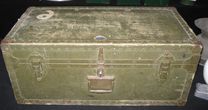 Proverbs 2:6-7 For the LORD gives wisdom; From His mouth come knowledge and understanding. He stores up sound wisdom for the upright; He is a shield to those who walk in integrity.
I can still remember when I first opened my father’s military trunk from the army. As I wiped off the dust and opened the latches on the big green U.S. Army foot locker my eyes were wide with wonder and awe at the old pictures, the Japanese flag, and the trinkets and treasures he brought home from Japan. It was as if I had an instant connection with him as I looked through the items and asked him what they were and the stories behind them. As he shared with me I wanted to soak up all I could from 1st Lieutenant Leroy Lawrence. I still have this trunk to this day. After he passed it was the item that seemed to always forge an instant connection with my dad. How would you like to have a huge trunk from your Father in heaven filled with all the information you need to walk through life successfully? How would you respond to an offer from God for a treasure trove of highly practical knowledge on how to live a safe, productive, life that is ever moving forward toward worthwhile goals? This is what God promises - along with a promise of HIs protection for you in Proverbs 2:6-7. In verse 7 the father, who is instructing his son, begins to speak of the benefits and blessings that come from having a heart that desires wisdom. He has taught his son to listen to him because he is offering him wisdom and understanding. The dad makes it clear in verse 6 that this wisdom and understanding does not come from him as the source. Jehovah is the One who gives wisdom. It is when He speaks that knowledge and understanding flow to us. All dads would be wise to remember this and to liberally season their instruction to their sons with the Word of God. What are the benefits that dad offers to his son? First of all when we turn to God and His Word for wisdom we will find that God begins storing up sound wisdom for us. The words “stores up” are the Hebrew word “saphan” which means to hide away resources. The idea here is that of God filling a treasure chest for us. What is He putting into it? Sound wisdom is being put there. This sound wisdom (tushiyyah) is a highly practical knowledge and understanding of things that will ensure success in God’s sight if followed. It ensures success when walking in God’s way - we will advance when following it. This is the treasure trove which God has for us as we learn His Word and desire His wisdom. What a wonderful thing to know that as we read, study, and treasure up His Word in our hearts - there are riches of wisdom and understanding that are being deposited into us for current or latter use. We are insuring our future spiritual growth as well as the leadership and guidance we will need to navigate a world that is becoming increasingly difficult to traverse. There is a second benefit to hearing and having wisdom in our hearts and lives. When we seek God for it - and listen when He gives it - we can be assured He is forging an ever growing shield that protects us as we walk through life. If you have yet to experience it, you will one day find that walking in wisdom will shield you from many things that would damage or even destroy your life. Paul spoke of this in Ephesians 6 when he mentioned the “shield of faith” which can extinguish all the flaming arrows of the evil one. Faith in the Word of God - that what it says is true and worthy of emulation - is what protects us. In a word - wisdom - is what protects us. These things are for the one who is upright. The one who walks in a straight path, ever quick to listen and to follow God’s directions and directives! It is also for those who walk in integrity. The word means - completeness - as in one who completely surrenders to God and is completely obedient to God’s commands. These things are the things God is storing up for us when we pursue a life of wisdom from Him. There is a second trunk I have come to treasure in my life. The second trunk is not visible. It is a storage chest of highly practical wisdom that God keeps deep within my heart and mind. There it can be opened whenever I need to know the right way to go in decisions large and small. It is filled with all the wonderful lessons I’ve learned as I’ve applied myself to read, study, and understand God’s Word. Such a treasure is not stagnant - but growing and expanding - even as I grow and expand my knowledge of what God has said - and Who He is. It is always there, ready to be opened, so that I can receive the counsel I need in that moment and walk in a manner pleasing to the Lord. May you be blessed to open His Word daily and by that choice - open the treasure chest of your heart so that God may fill it to overflowing with His Word - His wisdom - and with practical understanding of His way.  Proverbs 1:8-9 Hear, my son, your father's instruction and do not forsake your mother's teaching; indeed, they are a graceful wreath to your head and ornaments about your neck.
Proverbs is a book that promises us wisdom if we will heed its instructions. After describing for us in 7 very pointed verses what wisdom truly is (and we learn that it is to fear and obey God), we then turn to the first section in which practical instruction is given. It would be wise for us to see what issues will dominate this instruction for the first 10 chapters. The primary issues will be as follows:
These are the recurring themes that fill the early chapters of Proverbs. There is instruction about them and warnings against living foolishly for them. That is the early roadmap for our journey toward becoming a wise and understanding man or woman. What do we immediately see as we begin our journey? We see that hearing what your father and mother have to say is very important to becoming a wise person. This, of course, is understanding the assumption of the Scriptures, which is that father and mother are reading, obeying, and then instructing their children in the Law of God. They are to teach it in the home, as they sit together, as they lay down in bed at night, and even as they are on the way wherever they go. Hearing dad and mom is vitally important. The word “hear” means to listen to them with a view towards obedience. Dad is to instruct and mom is to teach. The dad’s role is to instruct applying discipline to the child. Since foolishness is bound up in the heart of every child of Adam, there is a need to instruct and discipline the child to put away unwise (unbiblical) behavior and choices and to learn obedience to God. Dads are to direct their children in the way they are to go. This means first of all that dad is walking in this way – and that by example as well as precept, he is teaching and leading his children to live a godly, disciplined life as he himself is doing. Mom’s role is to teach. The word used here is “torah” and it means taking the dictates of the Law or in this case the rules of the family and teaching them to the children to grasp the how and why of them. We should note that the one who wants to become wise is admonished not to ignore dad as he speaks – or to forget what mom teaches about how and why the family lives this way. This was, as still is, God’s wisdom for parents. This was long before the world developed “child-rearing” experts who would contradict the Scriptures – with their degrees as their authority. I am not against reading books on child rearing. I am against following foolish counsel when it directly contradicts the Scriptures. It doesn’t matter how many degrees are listed after a person’s name – if they counsel parents to ignore or contradict the Word of God – they are counseling foolishness that will have disastrous affects on children and families. Some would assert that many of the families in the Scriptures of the Old and New Testaments are a mess – and I would agree with them. Their history is not given to us as examples of perfect parenting. Often they are just the opposite – they are examples of what happens when we ignore them – as they did. We see consequences – many of which were passed down for generations. There are rewards promised for those who do hear dad and mom’s godly instruction and teaching. Two things are mentioned – a graceful wreath and ornaments about one’s neck. Let’s look at these rewards for a moment. The Graceful Wreath – The word used here means a wound wreath of leaves that was worn on the head. It was usually worn as a sign of honor or achievement. It is called a “graceful” wreath because is speaks first and foremost of God’s grace and favor on a person’s life – but can also include favor with others as well. Hearing a godly dad and not forgetting the things a godly mom has taught you will bring God’s favor into your life. It will mean you are under God’s favor as you choose to live wisely. Such wise living will also usually garner the favor of others as they watch and eventually want to emulate the wise way you live – and know the favor of God that is with you. The Neck Ornaments – Necklaces were a sign of love as well as a sign of authority. They were often given to express love toward one either in a family or, in the case of marriage, to those you wanted to become family. They were also given as a sign of authority as both Joseph and Daniel received them from the king when they were elevated to a place of great authority. When we hear dad’s instruction and heed mom’s teaching – we will find that God’s love will be poured out on us in our obedience. Not only will love be a reward – but a very real authority and power will also be ours if we listen. We will be able to resist evil men, immoral men and women, schemes that will promise riches and deliver poverty. Rather than be too weak to stand – we will be strengthened with inner power to stand against such things. There are very real benefits to hearing dad and not forgetting what mom taught us. But there is even a blessing for those who do not have godly parents like this. The blessing is to listen to God as He instructs you through a book that is the instruction manual they should have used. He intended it for dads and mom’s to use – but it is also beneficial for those who lacked parental teaching and need to know how to live a life of wisdom. 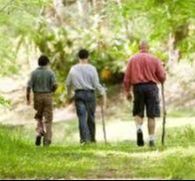 Proverbs 13:20 He who walks with wise men will be wise, But the companion of fools will suffer harm.
Growing up I remember many times when my parents would be concerned with who my friends were. One time in particular, they basically forbid me from continuing to hang out with a couple of guys. I was not too happy with the situation, but knew that disobedience to such a strong prohibition came with very real consequences. Little did I know but it would only be a couple of months later that they were caught shoplifting. I’m not sure what would have happened to me if I had been there with them – but that was not an issue because of the wisdom of my father and mother. My dad never quoted this proverb outright to me – but he must have read it. More than once my parents would remind me that the company I keep would have direct implications on the character I later would possess. Today’s proverb speaks of these very things. It speaks of a “walk with wise men” versus a “shepherding by fools.” First let’s look at the walk with wise men. The one who walks with wise men will be wise. The word for “walk” here refers to a journey or a walk from one place to another. The company during this walk was a wise man, or wise men. Proverbs 2:20 refers to it as a walk with good men and a pathway of the righteous. When looking for companions and mentors – we do well to look for people who have walked with God (Who Himself is the wisest companion to have on the roads of life). These people are characterized by the fact that they know God. This they have acquired over a lifetime of pursuing a relationship with Him through reading and knowing His Word. They have learned that obedience to God is the wisest way to walk – and seeing life through His perspective and Word is how to obtain this. Look for such people and surround yourself with them and their counsel. They will counsel you to walk closely with God – and learn to apply His Word to every situation in life. Their lives will have the sweet smell of God’s favor upon them (even if the world deems them less than a success by their standards). Such people will be humble, gracious, loving, kind – and yet strong and wiling to stand on God’s principles no matter what. The blessing for being around such people is that you will become one of them. The one who walks with wise men – will himself become wise. One thing I would add to this is that a wise man or woman will look for at least one wise man or woman with some age on them. The Word makes one wise – but wisdom over time is a rare thing to find. When you do – befriend the one who has it – and – listen to them often! This one who grows wise in the company of wise men is contrasted with the “companion of fools.” The word companion here is the Hebrew word “ra ah” which means to tend or feed sheep – i.e. a shepherd of another. Here is one who is being shepherded by fools. He is fed and tended by them – having them lead him into their ways and their paths. The fools he considers friends and mentors are mentioned in several ways in Scripture. The word for fool is “kesiyl” and it means a fool or one lacking in wisdom. In Ecclesiastes 4:5 the fool is lazy, folding his hands in inactivity as his life wastes away. In that same chapter verse 13 uses this word to describe a young man who knows everything and will not be instructed by anyone around him. He even mocks those who offer wisdom – preferring His own foolishness to any advice or instruction. Psalm 49:10 refers to this fool as one who thinks his stuff will last forever and lives for it rather than any kind of spiritual pursuit of God. Proverbs 1:32 speaks of the fool as one who loves wayward living and not only ignores the wisdom of God – but in verse 22 we see him hating both the wisdom and the God who gave it. Psalm 92:6-7 reminds us that he also mocks the whole concept of God’s justice and judgment. Proverbs 3:35 reminds us that he displays his godless dishonor like a trophy – and finally Ecclesiastes 10:2 says that his heart (that hates wisdom) is always turning the wrong direction in life. What happens to the one who has such foolish companions and mentors? The language here is a very pointed. He will suffer harm as a result of these leaders and friends. The word used here is quite descriptive. It is the Hebrew word “rua” – which referred to the deafening shout or blast that took place right before your enemy came upon you in battle. Such a shout was called a shout of victory – and to those about to be vanquished – it was the most terrifying sound you can imagine. Often those who heard it were not prepared for the devastating defeat they were about to receive. But when the shout rang out – their cockiness would be soon replaced by terror and fear. Too often that is how the foolish awaken to their folly. They are full of self-confidence and self-congratulation until disaster awakens them to their true state. The result of their poor choice of companions and commanders is ruin. Unfortunately some will read this and mock – saying that they are doing fine. They will even point to a life where everything seemed pretty good for their friends and mentors. But whether we live in relative comfort, ease, and man-oriented success is not the measure of a man. The true measure of a man and the way he lived happens in the twinkling of an eye – in the moment after he leaves this world. We are reminded in Hebrews 9:27 that we have an appointment with death. This happens only once, “It is appointed for man to die once, then comes the judgment.” There is no second chance – no reincarnation to have another shot. When we die – we will either be present with the Lord – or wholly absent from His favor forever. In that moment it truly will be seen how wise it was to walk with people who are wise. And ultimately the One Wise Man with whom we should walk is Jesus Christ. It is by His wisdom we will escape so great a peril – so great a judgment – and forever enjoy so great a salvation. Walk with Him – be wise – and be blessed far beyond your days on this earth! 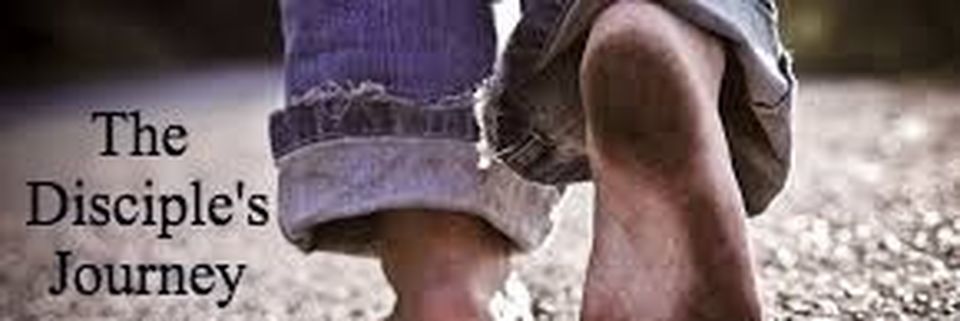 Proverbs 13:13 - The one who despises the word will be in debt to it, But the one who fears the commandment will be rewarded.
We are advised in this proverb to have a healthy fear of the commandments of God. This is not a slavish fear that God will strike us at any moment. But it is a genuine fear and respect that what God commands He intends for us to obey – and when He warns that a person who disobeys is choosing not just rebellion when they do – but ruin as well. The proverb of the day today begins with a warning to those who despise the Word. Some try to make this a word spoken by a teacher or instructor – but in the second half of this proverb we are told of the one who “fears the commandment.” This refers to God’s commands in Scripture. So we are introduced to the one who “despises” God’s Word. The word used for despise here is the Hebrew word “buz,” which means to despise, disrespect, or to hold in scorn or contempt. Here is the unwise person who hears God’s commands and has no respect for them. The person holds himself and the thinking of his own mind in higher regard than what God commands. He knows better how to live and what will make him happy than an ancient book. What is interesting is that this rebel is told that the more he despises it the more he will be in debt to it. That sounds like a strange statement until you grasp it from the Biblical viewpoint. If God has created man for His own purposes and plans – it is not odd to see that man has an obligation to obey His creator. If we understand that we will give an account to God on the Day of Judgment for our actions and for our disobedience to His word – then this begins to make perfect sense. The more the person despises God’s Word – the greater debt he begins to accumulate to it. “Habal” is the word used here for debt and it comes from a root word that means to wind a rope tightly around something or someone – to bind them with it. The word itself is a root word for our word obligation. The idea is that as he acts and thinks contemptuously against God’s word – God nevertheless binds him to obedience to His Word. The more he disobeys the tighter is wound the case against him by the commands of God. He will not be free from this pledge until one of two things happens. Either he is redeemed from the debt he has obtained – or he is punished by the authorities when he unable to pay it. Suddenly the words of Jesus make perfect sense, “Forgive us our debts (indebtedness to God’s commands). As this proverb asserts – the more we despise the word by disobeying it – the greater is our indebtedness to that very command we despise and disobey. We claim freedom by our rebellious actions, yet nothing is further from the truth. Every disobedience only tightens the ropes that bind us as we await the day of recompense from the One Who gave that Word. The one who fears the commandment will be rewarded! The fear here is one that respects and honors God. But it would be a disservice to everyone who reads this if it was not brought out that the Scriptures themselves warn us that is it terrifying thing to fall into the hands of the living God. Fascinating the context of this verse – so fascinating that I’ll give it to you below. For if we go on sinning willfully after receiving the knowledge of the truth, there no longer remains a sacrifice for sins, but a terrifying expectation of judgment and THE FURY OF A FIRE WHICH WILL CONSUME THE ADVERSARIES. Anyone who has set aside the Law of Moses dies without mercy on the testimony of two or three witnesses. How much severer punishment do you think he will deserve who has trampled under foot the Son of God, and has regarded as unclean the blood of the covenant by which he was sanctified, and has insulted the Spirit of grace? For we know Him who said, "VENGEANCE IS MINE, I WILL REPAY." And again, "THE LORD WILL JUDGE HIS PEOPLE." It is a terrifying thing to fall into the hands of the living God. Hebrews 10:26-31 (NASB) The context of this verse is disobeying the Law of Moses – i.e. the commandments of God. We are reminded of the warnings given in the day to those who would rebel against God. But then we are told – a severer punishment is in store for those who trample the Son of God – regard the blood of Jesus as something unclean – and who insults the Spirit of grace (i.e. the Holy Spirit as He reveals to us the grace of God through Jesus – and His blood). Then we are told – it is a terrifying thing to fall into the hands of the living God. Not exactly a proof text for those who wrongly assert the New Testament does not preach about the judgment of God. The wise man tells us fearing the commandment is good – and a reward comes to the man or woman who embraces it. What is fearing the commandment? For us it is not a call to works. It is a call to the grace of God in Jesus Christ. The fact is that all of us have broken the commandments of God again and again. Thus what Hebrews 10:26-31 says is our destiny as one who has disobeyed God’s commands. But there IS HOPE! What God has done in Jesus Christ is wonderful. Jesus has given His life as a substitute and a payment for our rebellion and sin against God’s commandments. Thus to fear the commandment is to see our hopelessness in religious works and run to Jesus Christ for salvation. It is only in Him that we have an answer for our disobedience and rebellion against God’s law. But if that fear of the commandment does hasten our turn to Christ – we will find it is rewarded! The word for rewarded is such a sweet word to know. It means to be safe and secure. Does that not speak of what the grace of God does in our lives. We are taken from the role of the rebellious that despise the word – to those who fear the commandment and have run to Christ. Rather than fearfulness in falling into the hands of the living God – we experience salvation, grace, love, and comfort in falling into His hands. But these things come because we have run to Christ – whose sacrifice on the cross is placed to our account. Forgiven in full – given the righteousness of Jesus Himself – and born again are all credited to us. There is no more debt for it is gone in Him. He has paid the debt in full – moving us from terror to His everlasting reward – life in Jesus Christ!  Proverbs 12:5 The thoughts of the righteous are just, But the counsels of the wicked are deceitful.
Today we have a simple proverb that contrasts the righteous and the wicked. One of the things that the Word of God makes very simple is knowing the difference. Our world is confused about such matters and finds it odious that anyone - even God - would categorize people into two such groups. That is what happens though when men decide that they themselves will determine what is good and evil - which was the choice that was made in the fall of man. Man decided that he himself would stand as ultimate authority over good and bad - right and wrong. What is fascinating is that modern man has come to despise the whole idea of wrong, wickedness, and sin. There is no such thing for modern man. Maybe there is a lack of education - or a willful ignorance of the barbaric nature of anything like absolute truth. Nevertheless wisdom is gained by being able to detect differences - to discern right from wrong - and even to begin to see how men and women come to think, know and act according to what is just or what is deceitful. The first thing God makes clear for us is that the righteous are clear in their thinking. Their thoughts are filled with justice. “But what is just?” you may ask. How does someone determine the difference between what is just and what is unjust? For the righteous man identified in Scripture, God determines what is just. Thus the thoughts of the righteous, which are just, are determined from what is written in the Word of God. This is not a problem for the believer who knows that God’s character is perfect, wise, loving, gracious - and yet also just, righteous, and holy. This also means that the righteous man will not be tainted by selfishness or by self-interest. He will desire justice apart from the corrupting influences of this world or even of his own selfish heart. That is a good thing because issues like greed, sensual lusts, bitterness, racism, and any other myriad of problems that have come due to the fall of man into sin will not dominate the righteous man’s judgment. He has chosen to die to himself and live to make decisions based on what God says it proper. One of the things God said to leaders and to those who were given the responsibility of judgment among His people was that they were not to act with favoritism or to take a bribe to pervert justice. They were to judge according to what God said and had revealed in His Word. As God compares the righteous to the wicked there is a major difference. The counsels of the wicked are revealed to be deceitful. Their judgments are tainted with deceit and lies. Their judgment is clouded by selfishness and a desire to please themselves. They can be bought with the right price to pervert justice. The word “counsels” is important for us to see here. The word “tahbulah” meant counsel or wise advice. The problem for the wicked is that they ignore God’s advice and counsel and appeal to their own selfish and self-centered heart. That is why justice comes out wrong when they seek to offer it. King Saul is an excellent example of how this works. When he began as the king he adhered to God’s counsels. He listened to the prophet Samuel and followed the Lord fully in the early years of his kingdom. But when he was told to destroy the Amalekites he decided to take counsel within himself. He destroyed everything he saw that was bad - but then decided to keep everything that was not despised. He even kept wicked king Agag alive - as a trophy for himself before other nations. God was grieved that Saul had moved from the wisdom of the righteous to the self-interest of a godless man. In time Saul would continue on his path of self-centered, wicked counsel. It would lead him to make an attempt to kill godly David some 24 times. It would goad him to murder the priests of the Lord when he thought they were working with David to overthrow him. The ungodly counsels of his own heart were so treacherous that when he was desperate to hear from God on the eve of the battle that would cost him his life, he turned to a witch and tried to speak to the dead to get answers for himself. Who is your counselor in life? Is there a standard - a truth you turn to as you seek to live in this world? The wicked turn to themselves and to an ever-changing code of ethics based far more upon their own lusts and desires than on anything remotely close to wisdom. The righteous man has learned the secret of living by God’s perfect, holy counsel. He has learned to come to God and His Word and humble himself to obey what God says. Such a lifestyle may not always be the most comfortable - but in the end - it is the wisest way to live. 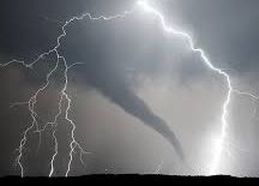 Proverbs 10:25 When the whirlwind passes, the wicked is no more, But the righteous has an everlasting foundation.
Tornados are very dangerous, destructive things. I should know because when I was around 4 one hit my house, ripping the roof off of it like a dollhouse. Fortunately we were in the basement of the home when it hit us and as a result were safe from its destructive force. The upper portion of our home was destroyed, but we were in the foundation of the house - and our foundation was strong and safe for us. Our proverb of the day speaks of tornados and foundations. We are reminded of the destructive power of a whirlwind. The word used here is the Hebrew word “supah” which means a severe storm with very strong, destructive winds. For those in Israel they would think either of a type of hurricane that might strike the coast - or of the deadly storms that would sweep down the northern mountains into the Sea of Galilee, usually destroying almost anything that was on the waters. What is fascinating is that the whirlwind mentioned here refers to the judgment of God in every instance it is used except one. Thus the whirlwind mentioned here is the tempest of God’s holy judgment that will come one day. As a tornado or massive hurricane sweeps away everything before it - so the whirling judgment of God will sweep away the wicked. In the midst of such a tempest the wicked will be no more. They will be taken and destroyed. But the righteous man will stand in that day. In fact the wise man reminds us that the foundation of the righteous is an everlasting one. Though the storm assails it, it is not moved. Such a picture immediately reminds us of our Lord’s teachings at the end of the Sermon on the Mount. Two foundations are mentioned - one built on the rock, which is defined as those who hear and obey Jesus’ words. The other foundation - the one that represents those who hear but do not obey is a sand foundation. What is interesting is that both of these foundations experience storms and winds. But whereas the sand foundation is destroyed - the one founded on hearing and obeying God remains. There are the normal storms of life that can wreak havoc on people’s lives. A foundation on the Word of God is strong in such times - whereas the sand foundation will crumble. But there is a storm coming - one that is beyond any storm known to man. It is the storm of the judgment of God. God is just and although He acts with tremendous mercy now - there will be a day when His ultimate justice will be satisfied upon rebellious mankind. The wicked may show a bold face - but there is something about an approaching force 5 tornado that reduces all men to shaking, trembling weaklings. There is something about the wrath of God that will melt all resolve and all facades of bravery. In that day the wicked will be swept away - carried off to destruction for all eternity. But what is truly amazing is the promise that the righteous have an everlasting foundation that will stand - even in that day. That foundation is righteousness that is from God on the basis of faith. That foundation is Jesus Christ and Him crucified for the payment of all sin. Only that foundation will remain - even as all others are forever swept away. I have photo albums with pictures of the dreadful night that the whirlwind blew through Lockport, Illinois. There was destruction on a level that humbled even the strongest in our city. As a tornado bounced through my neighborhood it set its sites on my home. When it was over the home afforded no shelter as there were 2 by 4’s through the beds of everyone who lived there - and who truly would have died there. The only thing that stood on that night was the foundation - in which we took refuge from the whirlwind as it passed. There will be another day. It will be the end of all days as the ultimate whirlwind will descend. On THAT DAY we need to all know that once again, only the foundation will remain. And that foundation is Jesus Christ and Him crucified. Take refuge in Him today! |
 Proverb a DayEach day, we'll take a look at a verse from the chapter of Proverbs for the day. Our hope is to gain wisdom each day - and from that wisdom - to have understanding to make godly decisions in the throes of everyday life. 
Thank you for visiting our website! Everything on this site is offered for free. If, however, you would like to make a donation to help pay for its continued presence on the internet, you can do that by clicking here. The only thing we ask is that you give first to the local church you attend. Thank you!
Archives
August 2018
|
 RSS Feed